

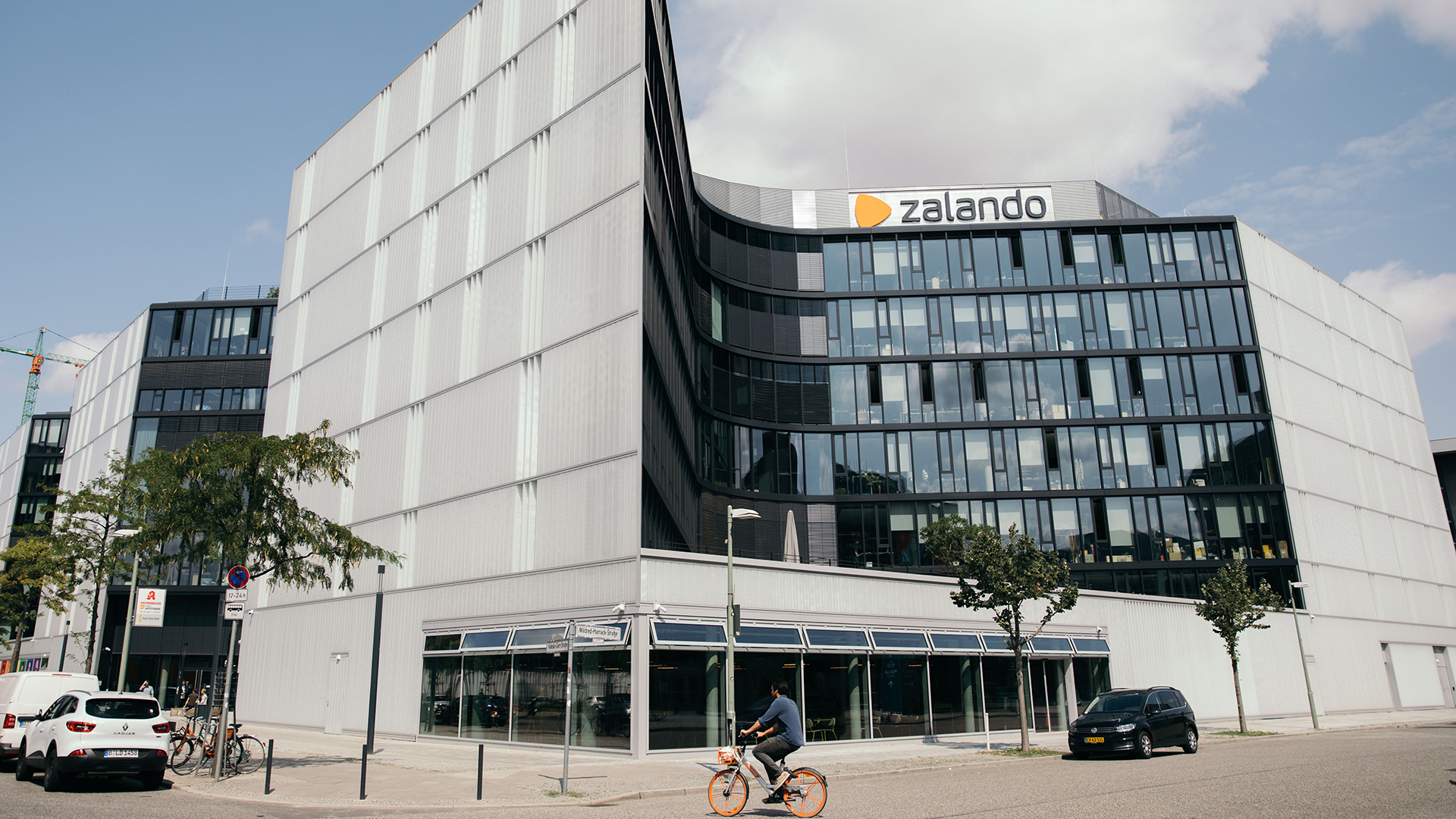
Zalando delivers growth and improved profitability as new strategy pays off
Zalando says its new 'ecosystem' strategy is paying off as it delivers as 1.3% increase in gross merchandise value (GMV), to €3.3 billion, and improved EBIT of €28.3 million in Q1.


The EBIT figure was in line with market expectations and represents a margin of 1.3%, compared to a loss of €0.7 million in the prior-year period. The online fashion and lifestyle giant said the improvement in profitability was driven by lower fulfilment costs and successful inventory management, leading to an improved gross margin.
Top line growth was attributed to a boost in the quality of its assortment, which led to strong growth in its lifestyle offerings and which made the customer experience "more inspirational". It also added more logistics partners.


Zalando said the figures were a validation of its strategy, released in March, to build "the leading pan-European fashion and lifestyle e-commerce ecosystem" around its two main growth vectors: Business-to-Consumer (B2C) and Business-to-Business (B2B).
“As we are executing our ecosystem strategy, we are excited by the positive response from customers and partners in the first quarter. We are returning to growth,” said Dr. Sandra Dembeck, Zalando CFO. “B2C customers are showing increased interest in our quality assortment, digital tools, propositions and inspiring content. B2B customers are signing up for our unique offering. Both of our growth vectors are strong and contributing to results, demonstrating the strength of our plans.”



Dr. Sandra Dembeck, Zalando CFO
Within the B2C "growth vector", Zalando’s first pillar is to differentiate itself through quality by offering "the best possible shopping experience in fashion and lifestyle". In the first quarter, the company further elevated its product assortment, for example by launching the premium sports brand ‘On’ in 22 markets.
To further improve the quality of its digital experience, Zalando rolled out its size-advice-with-body-measurement tool to customers in Spain, France and Italy, bringing the total to six markets. Zalando also expanded its inclusive assortment with the launch of 20 adaptive kids' shoes styles after talking to parents of disabled children to identify their needs.


Zalando's Body Measurement tool
The second pillar of its B2C growth strategy is to expand further as a lifestyle destination by elevating existing categories into distinct propositions. These propositions are designed to offer "a captivating experience" by combining a more comprehensive assortment, advice features, personalised inspiration and "seamless convenience". For instance, as part of the new, elevated Designer experience on the website and app, Zalando offers a luxury boutique-style space for designer brands.
Its third B2C pillar involves integrating content into commerce and offering personalised inspiration and entertainment – the company has added new functionality to the Zalando Assistant that allows customers to ask questions using voice instead of just text, and a new source of inspiration, called Trend Spotter has been added.
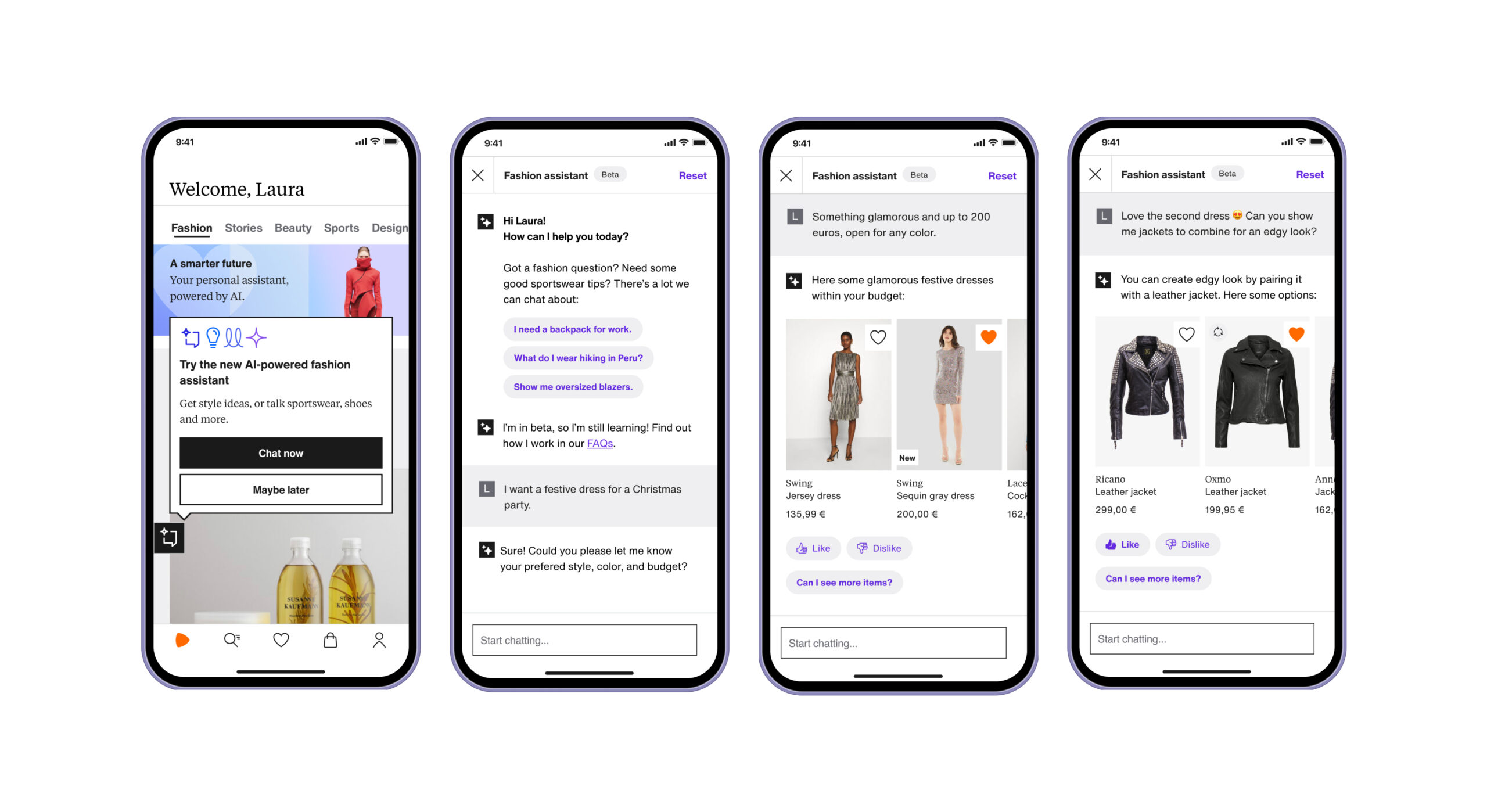
Zalando Assistant
In B2B, Zalando is opening up its logistics infrastructure, software and service capabilities to enable e-commerce transactions for brands and retailers, regardless whether they take place on or off the Zalando platform. Five more partners came on board for "ZEOS" multi-channel fulfilment in the first quarter bringing the total to 27 merchants.
Revenue in B2B increased 13% to €215 million and adjusted EBIT rose to €5 million from €4 million in the same quarter last year. The adjusted EBIT margin improved to 2.5% from 2.2% a year prior.
Looking ahead Zalando has confirmed its full-year guidance for 2024 and expects both GMV and revenue to grow 0% to 5% this year compared to 2023. EBIT is expected to be between €380 million and €450 million.


