What to expect at Source Fashion: Suzanne Ellingham on the sourcing trends, strategies and conversations shaping the season
Ahead of Source Fashion's move to ExCeL London from 7–9 July, Event Director Suzanne Ellingham believes the industry has reached an important turning point. Years of supply chain disruption, geopolitical uncertainty and incoming regulation have fundamentally changed the way fashion businesses approach sourcing, and this season's edition of Source Fashion has been shaped around helping buyers navigate that new reality.


From the show's largest-ever exhibitor line-up and expanded support for UK manufacturing to a strengthened content programme tackling resilience, risk and regulation, Ellingham explains why buyers should expect much more than a sourcing exhibition this July. 
Source Fashion is entering a new phase with its move to ExCeL London. What does the new venue enable you to do that wasn't possible before?


Suzanne Ellingham: Simply put, the move to ExCeL allows us to really grow. We've seen significant growth over the past three years, and the new venue gives us the space to continue that journey while keeping the entire show on one floor. It also gives Source Fashion a permanent home, stable dates, that visitors can return to season after season. Just as importantly, it's far easier to access. Most of our visitors travel from outside London, so the transport links and parking make getting to the show much simpler, creating a better overall experience for buyers.
When buyers arrive in July, what will feel different?


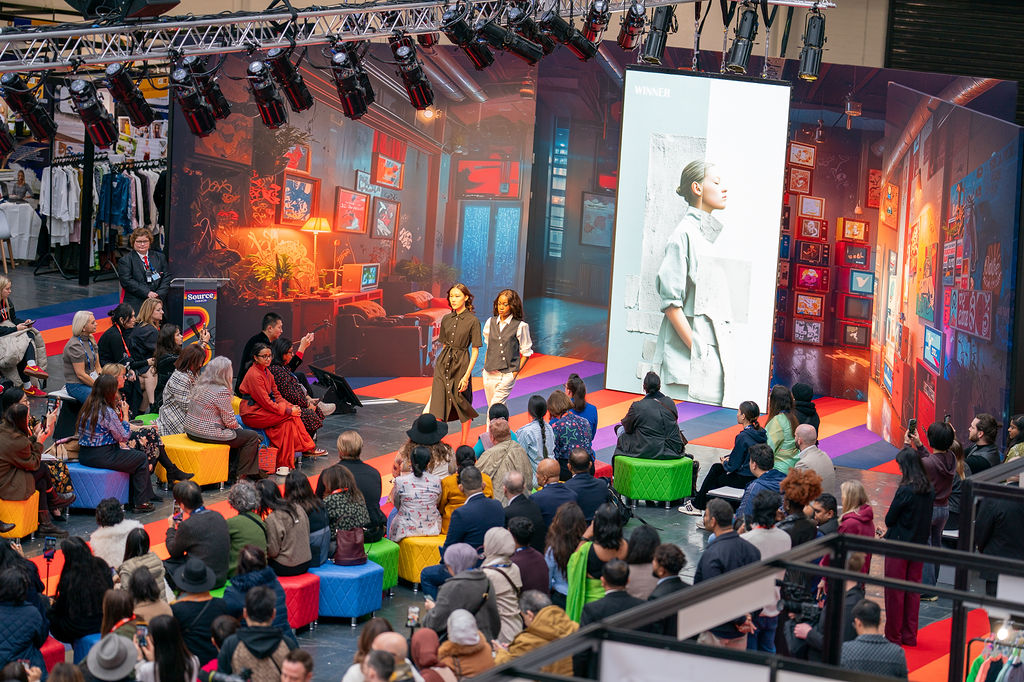
Suzanne Ellingham: The first thing people will notice is its bigger. The show is around 20% bigger than January and significantly larger than last July, so buyers will immediately see more choice and more suppliers.
But what's equally important is how much more interactive the show has become. One of the biggest challenges we've identified through our research is the knowledge drain happening across the fashion industry. Buyers are often expected to make increasingly complex sourcing decisions without always having the practical understanding of manufacturing that previous generations developed.


That's why we're investing heavily in features that allow visitors to experience manufacturing first-hand, understand what good production looks like and ultimately make better buying decisions. We also want people to understand why garments cost what they cost. Ultimately, the more knowledge buyers have, the better sourcing decisions they can make for their businesses.
This season's content programme has been built around the idea of 'permanent volatility'. Why does that theme resonate so strongly with fashion businesses today?
For Ellingham, this thinking underpins every aspect of this season's show.
Suzanne Ellingham: Five years ago, businesses tended to think disruption was temporary, black swan events were rare. Today, we're recognising that volatility isn't a one-off event anymore, it's business as usual.
Fashion businesses now have to think about geopolitical change, fluctuating shipping costs, oil prices, climate change and changing labour markets. Every one of those factors can have a direct impact on a supply chain, so the conversation has shifted from asking if disruption might happen to assuming that it probably will, and soon.
The question now is: how do you manage that risk? That's why we've built this season's content programme around practical strategies rather than simply discussing the challenges. We're looking at how businesses can make nearshoring commercially viable, understand regional risk, prepare for incoming regulation and build stronger, more resilient supply chains. The conversations have become much more strategic because that's what buyers need today.
Source Fashion has significantly expanded its support for UK manufacturing this season. Why has that become such an important priority?
Suzanne Ellingham: It became clear to us about a year ago that there simply wasn't the level of support for UK manufacturers that exists in many other sourcing regions. There's a huge amount of discussion around skills, sustainability and textile recycling, but unless manufacturers are winning business and creating a sustainable pipeline of work, none of that matters.
By creating and subsidising the British Pavilion ourselves, we've been able to support businesses that genuinely need help growing. Once you see the challenges facing UK manufacturing, you can't unsee them. It's a sector that deserves support, and if we can help even a small number of them build new relationships and win new customers, then we have a responsibility to do that.

UK manufacturers are now expected to become the show's second-largest country presence. What does that say about how sourcing strategies are evolving?
Suzanne Ellingham: It also tells us that British manufacturers are being seen. It also tells us there's a real appetite for nearshoring because these are the businesses our visitors want to find.
That doesn't necessarily mean bringing everything back to the UK, but it does mean businesses are looking to diversify their supply chains and bring production closer to home where it makes commercial sense.
One of the comments we hear time and again from buyers is that they simply don't know who's still manufacturing in Britain. There's a misconception that the UK can't do volume, that’s simply not true.
Our role is to make those manufacturers visible again. If buyers can see the capability that's available, they can make informed decisions about how they de-risk their supply chains, whether that's manufacturing in Britain or looking more broadly across Europe.
Alongside strengthening UK manufacturing, Source Fashion will also welcome its first Vietnamese Pavilion this July. What does that say about the changing shape of global sourcing?
Suzanne Ellingham: Vietnam is a manufacturing powerhouse. If we look at the countries that have benefited most as brands diversify away from China for volume production, Vietnam is right alongside Bangladesh, Turkey and India as one of the major winners.
For us, bringing a Vietnamese Pavilion to Source Fashion is about responding to that shift and making reputable manufacturers more accessible to UK buyers. As we continue to grow, we'll keep expanding our presence in emerging sourcing regions, giving buyers greater choice as they diversify and build more resilient supply chains.
The content programme also sees the return of Source Debates. Why was it important to bring that format back?
Suzanne Ellingham: We brought Source Debates back because our visitors told us they missed it. The fashion industry is facing some incredibly complex challenges, and the reality is that no single business has all the answers. Unlike many other sectors, fashion hasn't always been particularly collaborative, especially among mid-sized brands. Source Debates creates a space where people can have open, honest conversations about the issues they're all facing.
We'll be discussing everything from AI and nearshoring to regulation and what good sourcing really looks like. It's an opportunity for people to share ideas, challenge each other and learn from businesses approaching the same problems in different ways. Those conversations are incredibly valuable, and that's why the feature has become such an important part of the show.

Fashion Deconstructed returns this season with an even greater focus on practical skills and craftsmanship. Why has that become such an important part of Source Fashion?
Suzanne Ellingham: One of the things we've recognised is that buyers don't just want to hear people talking about sourcing, they want to understand how products are actually made. It's also our response to the knowledge gap we're seeing across the industry. As experienced professionals leave the sector, many buyers haven't had the opportunity to develop the practical manufacturing knowledge that previous generations built up over time. If buyers understand how products are made, they'll make better sourcing decisions.
Fashion Deconstructed gives visitors the chance to step away from the show floor and experience manufacturing first-hand, whether that's understanding garment construction, learning why certain finishing techniques matter or seeing how technology is helping bring deadstock materials back into commercial use.
This season we're also introducing a fully functioning factory in partnership with ApparelTASKER, where visitors will be able to watch garments being manufactured live on the show floor. Around 90% of the world's clothing is still made by people operating sewing machines, yet many buyers have never actually seen that process.
When you can physically see how a garment is constructed, you gain a much greater appreciation of the craftsmanship, skill and labour behind it, and ultimately why products cost what they cost. That's knowledge buyers can take back into their businesses, helping them make more informed sourcing decisions and have better conversations with suppliers.
Across the exhibitors, speakers and content programme, what are the biggest sourcing trends you're seeing emerge for 2026?
Suzanne Ellingham: The biggest shift is that businesses are no longer planning for price, they're planning for resilience. We're seeing buyers diversify their supplier bases, explore nearshoring opportunities and think much more strategically about risk. That's reflected throughout this year's show, whether it's the expansion of UK manufacturing, new sourcing regions like Vietnam or sessions focused on helping businesses navigate regulation.

At the same time, we're seeing a much greater focus on people. One of the industry's biggest challenges is retaining talent and developing the next generation of sourcing professionals. That's why we've introduced more conversations around career development and building long-term expertise, because resilient supply chains also depend on knowledgeable people.
Ultimately, this year's programme is about helping businesses build new processes, whether that's future-proofing against regulation, strengthening supply chains or making the business case internally for investment. Sustainable sourcing is no longer just about sustainability; it's about business continuity.
Finally, if you could give buyers attending Source Fashion one piece of advice, what would it be?
Suzanne Ellingham: Focus on what your business needs most and start there.
No business can solve every challenge overnight, but one thing buyers can't afford to ignore is regulation. Whether it's Digital Product Passports, Extended Producer Responsibility or wider European legislation, these changes are coming, and preparing for them will take time.
Businesses that start planning now won't just be ready when regulation arrives, they'll build stronger, more efficient operations in the process. We've already seen organisations reduce waste, improve efficiency and future-proof their businesses by taking action early.
Source Fashion is about helping buyers have those conversations now, so they leave the show not just with new suppliers, but with new ideas, new strategies and a clearer understanding of how they'll navigate the years ahead.
Register to attend Source Fashion 7-9 July at Excel London.
Further reading: Source Debates returns in July with sessions on AI, overproduction and supply chain resilience
In partnership with