

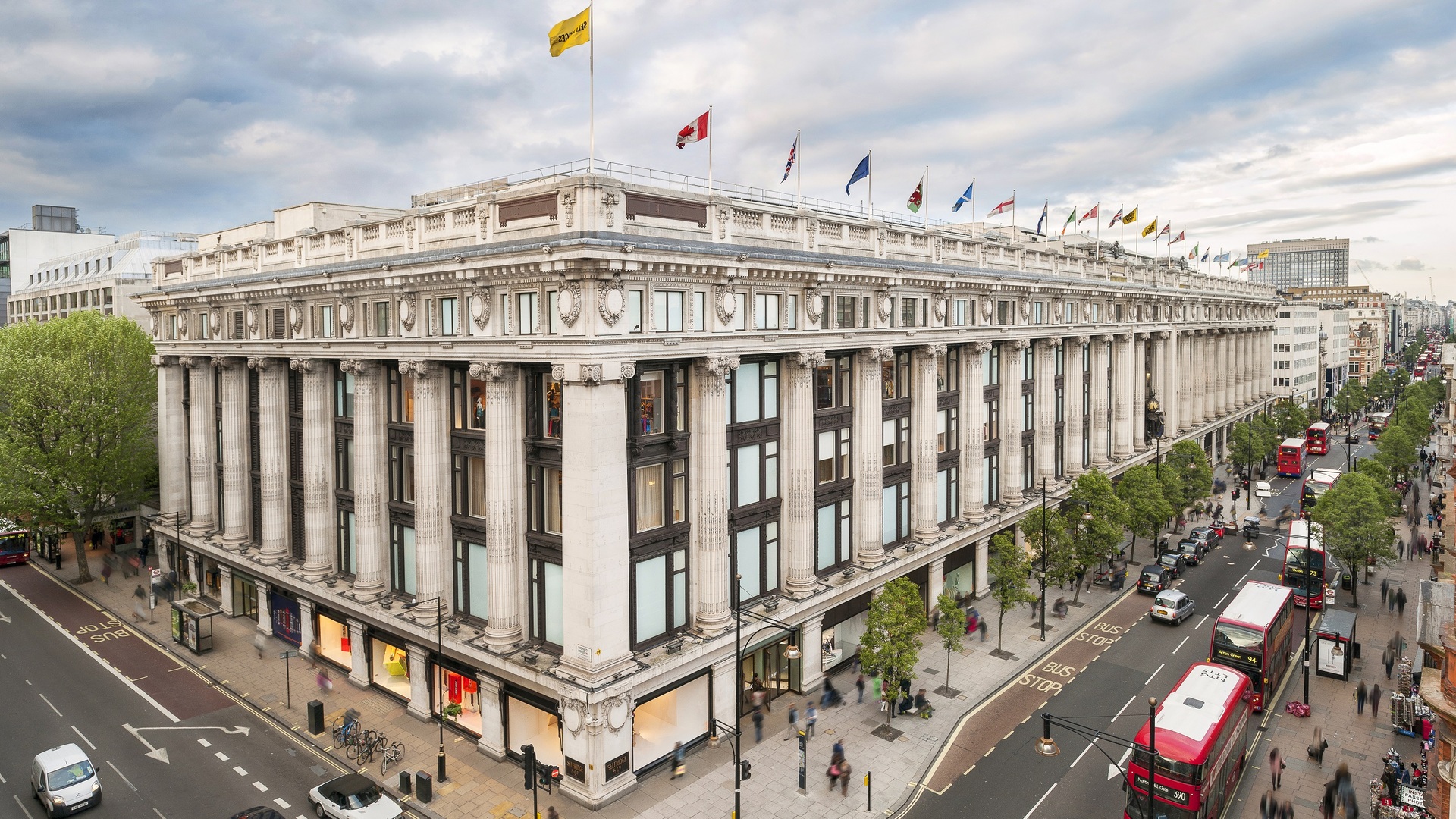
Selfridges profit soars as it renews calls for tax-free shopping return
Selfridges has returned to pre-tax profit for the first time since 2019, as stronger sales in its four UK stores and higher margins supported an operating profit increase of 88%, while revenue reached £830.8 million.


Selfridges’ annual results
- Selfridges made a £13 million pre-tax profit for the 52 weeks to 3 January 2026, after a £15.9 million loss the year before.
- Revenue rose a reported 7% to £830.8 million (also reflecting a longer financial period: 52 weeks, against 48 weeks a year earlier).
- Operating profit grew 88% to £79.7 million.
- Chief Executive André Maeder renewed the call to restore VAT-free shopping for international visitors.
Selfridges reported revenues of £830.8 million, compared to £774.6 million in the prior period, although the new reporting period was four weeks longer than the year before. Spread across the weeks reported, revenue averaged about £16 million a week this time, compared with £16.1 million before.
Store footfall rose 7%, while online sales fell as the retailer focused on more profitable transactions.


Gross profit rose to £507.2 million from £457.4 million, lifting the gross margin to about 61.1% from 59.1%. Meanwhile, administrative expenses fell by £12.7 million to £124.3 million, although selling and distribution costs rose by £25.2 million to £304.4 million. Operating profit increased by £37.5 million, or 88%, to £79.7 million.
"We’re very pleased to report strong results for 2025. They reflect the strength of our brand and our ability to deliver unique experiences for customers, with footfall up 7% across our stores," said Maeder.


Maeder added that the results reflected Selfridges' efforts to be the "most imaginative shop in the world". He highlighted the department store's Summer of Sound campaign, its expanded Beauty destinations in London and Birmingham, as well as its "most magical Christmas partnership with Disney" last year.
Selfridges has also been building on these activations with the opening of 40 Duke Street this year, the group's "global-first members’ destination". The 25,000 sq ft members’ club has been described as “a hybrid of personal shopping, cultural programming and social space” and providing “experience-led engagement”.


VAT-free shopping
Maeder also renewed the retailer’s call to restore VAT-free shopping for international visitors, which ended in Great Britain in 2021. The absence of tax-free shopping in the UK had "significantly impacted international sales", a Selfridges spokesperson had said in 2024.
He commented: "This performance comes despite difficult retail and macroeconomic environments. These challenges have been made more difficult by policy choices, such as the abolition of Tax Shopping for international visitors.
"We are therefore hugely encouraged to see this back on the political agenda and urge the government under new Prime Minister, Andy Burnham, to bring back Tax-Free Shopping, boosting high streets and unlocking growth across the whole of the UK."
Burberry Chief Executive Joshua Schulman has also called for the return of tax-free shopping, saying the brand’s tourist business was about 50% below 2019 levels and attributing much of the decline to the scheme’s removal.
New West End Company, the organisation that represents 800 businesses centred around London’s Oxford Street, Regent Street, Bond Street and Mayfair, also said that reinstating tax-free shopping was “key to unlocking further growth" in its newly published roadmap.
Opposition leader Kemi Badenoch made a pledge on 21 September to restore tax-free shopping for tourists, commenting that retailers were being “let down by a policy that is driving their customers away”.
Selfridges currently operates four UK department stores, including its Oxford Street flagship, two in Manchester and one in Birmingham, and also sells online. Thailand’s Central Group holds 60% of the business, with Saudi Arabia’s Public Investment Fund holding the remaining 40%.
In May this year, which follows after the period covered by the latest financial accounts, Selfridges proposed a head-office restructure that could reduce its overall workforce by about 2%. The proposal was subject to employee consultation.
A month before it had raised shop-floor pay by more than 6% to align with the voluntary Real Living Wage, then set at £14.80 an hour in London and £13.45 elsewhere.


