


LFW SS26: Oxfam and Vinted present a celebration of second-hand fashion
Pre-loved garments took top billing at London Fashion Week this year, as Oxfam collaborated with Vinted for the second year in a row to showcase the best of what second-hand fashion has to offer in a show entitled "Style for Change".


Alongside a host of stylish celebrities, the subterranean catwalk took place on the opening night of Fashion Week at the Ambika P3 gallery in Marylebone.
The show shone a spotlight on sustainable style with the power to change the world. Indeed, every single garment on the runway was second-hand, pulled and styled by thrifting pioneer, Bay Garnett. Garnett, the ‘Queen of Thrift’, said of the show: "Wearing second hand clothes is a badge of honour that we should all be proud to wear."


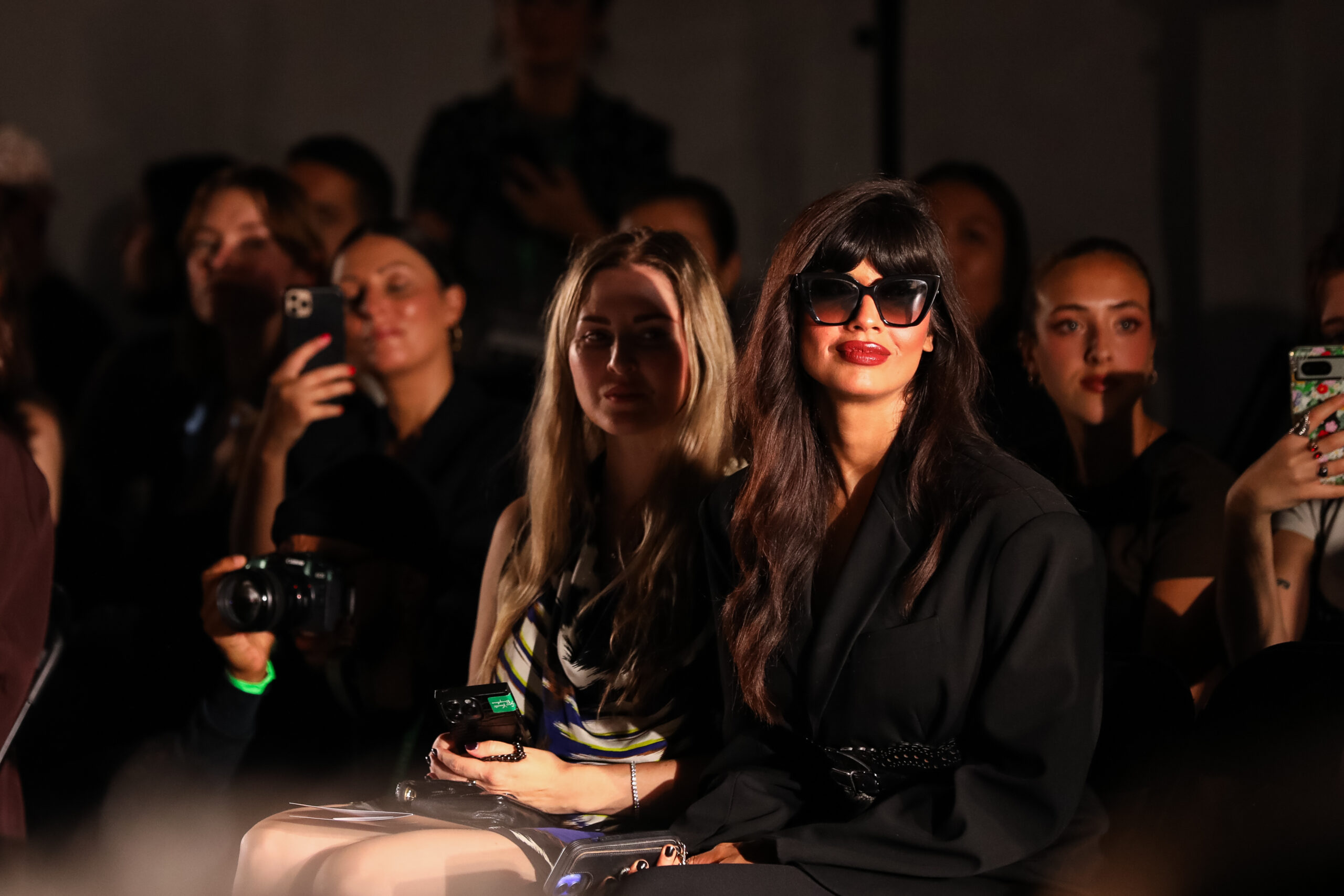
Jameela Jamil
The event celebrated the UK’s most iconic fashion eras through the medium of second-hand fashion, proving that British charity shops are still where those in the know go to shop. Oxfam and Vinted mean to lead the charge this London Fashion Week to demand fashion’s responsibility in our ever-changing world, dedicating the entire month to their campaign, ‘Second Hand September’. Activist and actor Jameela Jamil was the well-chosen face of this campaign and was also in attendance, alongside Joelled Fontaine and Lucinda Chambers.

Sabrina Grant
Before the show began, a projected voice appropriately interrogated the expression "dress for the job you want" and concluded that "dress for the world you want" was indeed the ethos we should all have instead. Lorna Fallon, Oxfam’s Retail Director, reminded us: "By 2050, the global garment industry is on course to produce 138 billion clothes each year that are never worn - the equivalent of almost four outfits each year for every person on the planet. This is simply not sustainable."


It is worth mentioning, however, that Oxfam’s cause is not merely sustainability, as shopping with Oxfam helps raise funds to tackle poverty and inequality. And so, Fallon concluded, what we wear does hold the power for change. For the show as a whole, second-hand was more than clothes - it was the future of the industry.
What proceeded was iconic representations of fashion through the decades and style heroes - from 1950s swing to a 1990s grunge look. Katie Piper, presenter and beauty activist, electrified in a Sixties-inspired mini dress in orange check, complete with Wotsits-coloured tights and platform sandals.


Another highlight of the show was undoubtedly whatever Sandy Powel stepped out in. The Academy Award-winning costume designer’s last look of clashing tartans and a little red chelsea boot was the perfect nod to Vivienne Westwood. The get-up, whilst likely upsetting the tartan traditionalist, was bold; proving that being too ‘matchy-matchy’ is never the symptom of a poor sense of taste.
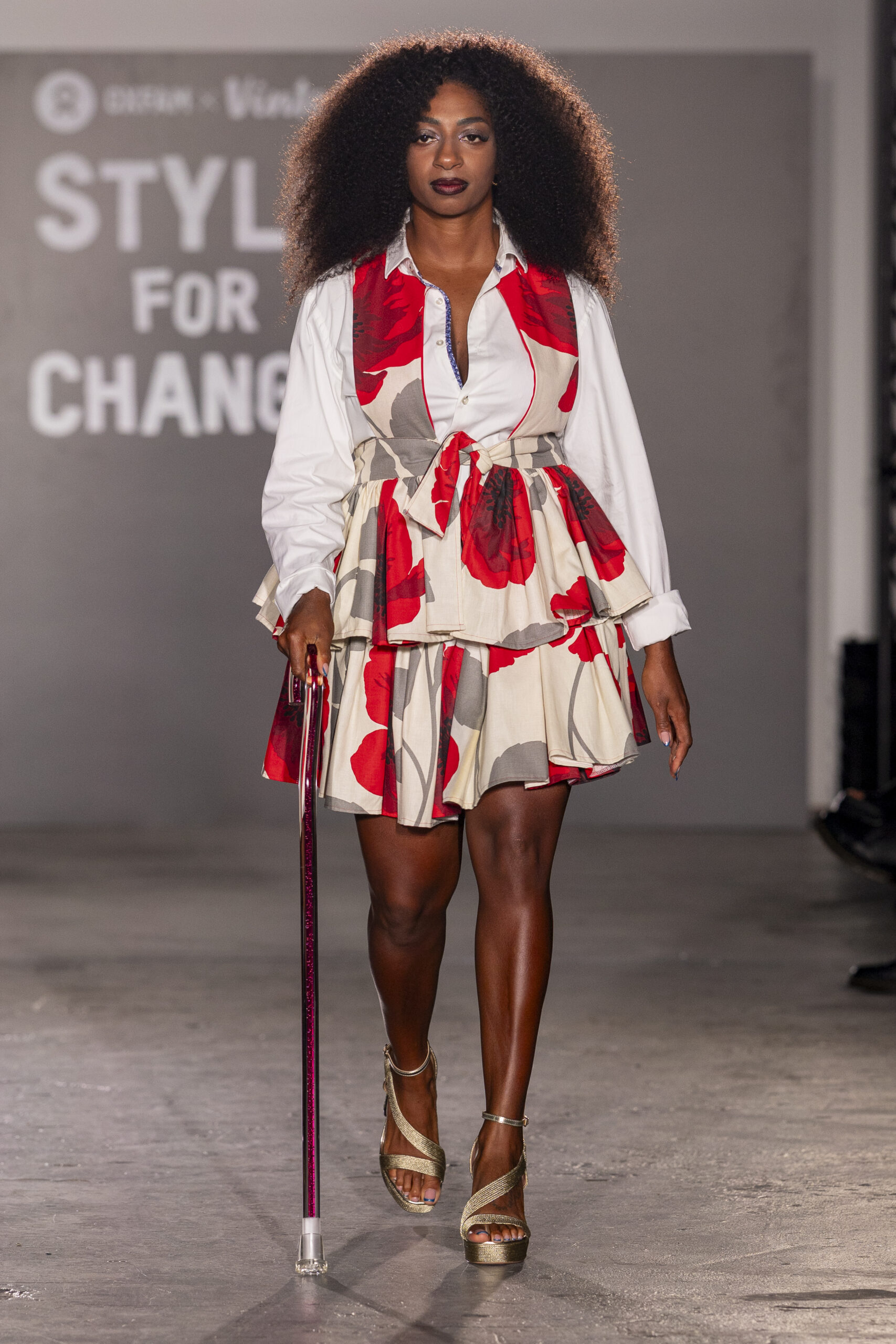
Kadeena Cox OBE
Yet another admirable aspect of the show was the incorporation of young designers from Leeds Beckett University, Brad Smith and Joy Kotei. Having won a competition held in partnership with Oxfam, their upcycled work was flaunted down the runway in several looks. Most memorably, Paralympian Kadeena Cox OBE wore a delightful tiered summer dress with poppies. Sitting behind Brad Smith (the designer), it was thrilling to watch a new designer see his pieces on the runway for the first time.

Sam Ryder
The show was nothing short of a proper runway collection, concluding with a Diana-inspired wedding dress on model Jade Parfitt, whose daughters followed behind with her train. This couture finale was the perfect ending. It demonstrated the intense effort undertaken by the team. Speaking with a few models outside, they mentioned the hundreds of fittings done by Bay Garnett, whose task it was to curate the collection from over 800 pieces. Evidently from Garnett’s undertaking, these clothes were more than a ‘pile of stuff’ but the work of countless weeks of thought and effort. Fortunately for us, however, the entire catwalk is available for purchase on Oxfam’s account on the Vinted site.
As a regular charity shop goer myself, the most impressive aspect of the show was not any one look per se - though they were plentiful. It was the fact that Garnett had evidently taken stock of what people might wear, and most importantly, pieces that anyone could find in any Oxfam. Accessibility, a trait also shared by the diverse cast of models, seemed as though it was the goal rather than campy costume - aimed at inspiring us to get out and shop pieces we could wear. To this end, Oxfam was not setting any one trend (though the gladiator sandal might be on the rise again), but setting an agenda for the future.


