JD Sports pulls Hip off high street as brand moves online only
JD Sports Fashion is removing its Hip brand from the high street after closing the last two physical stores this week, although the retailer will continue to trade the label exclusively online.


The Manchester branch of The Hip store has already shut, while the Leeds store is reportedly due to close before the end of the month. The Leeds site is said to be taken over by Size?, another retailer within the JD Sports group.
JD Sports took over Hip in 2014 after the brand had spent a year seeking investment, though the value of the deal was never disclosed.
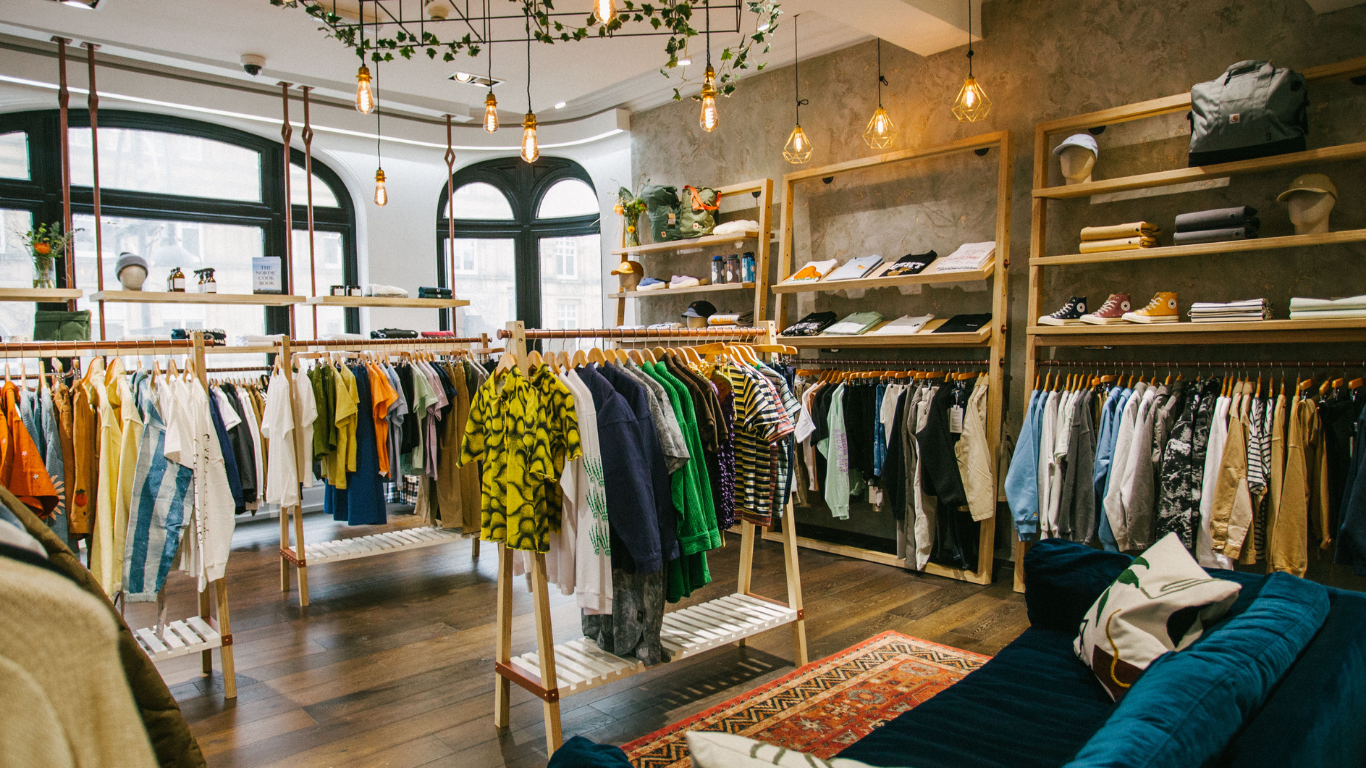
Hip had first started in Leeds in 1987 as an independent menswear store, broadening into womenswear in 2022, and now sells premium streetwear and sportswear labels including Carhartt, Salomon and Stone Island.
For Hip, moving to online-only brings nearly four decades of physical retail to a close.
The closures are part of a reduction in JD Sports' UK physical retail footprint. The group reduced its UK store estate by 24 locations (on a net basis) earlier in 2026 as it set out a strategy centred on "fewer, bigger and better" shops, with investment focused on higher-productivity locations.
As part of this strategy, JD Sports opened its Trafford Centre flagship in Manchester, which is now the retailer's largest store globally and showcases its investment in a "small number of destination stores to anchor regional presence and elevate brand expression".
In its latest financial filings, JD Sports reported a 2.5% increase in organic sales at constant currency rates to £12.66 billion, driven by growth in all regions except for the UK, where organic sales declined by 2.5%.
The retailer's profit before tax and adjusting items (PBTAI) was down 7.7% to £852 million, compared to £923 million in 2025. Unlike EBITDA, the PBTAI measurement disregards items such as acquisition-related charges, restructuring costs and integration expenses to reflect a more organic view of earnings.
JD Sports commented on the results saying that geopolitical tensions, including in the Middle East, had created "heightened uncertainty" that could feed through to higher energy and fuel costs across its store and logistics networks, as well as indirect pressure on pricing and consumer demand.
Commenting on the financial results, CEO Régis Schultz noted that he remained confident in the group's medium‑term trajectory. He further highlighted the retailer's focus on "further enhancing and optimising our product offer, customer experience and store footprint, and delivering strong cost and cash discipline - in essence, 'controlling the controllables'."