Editors' Top Reads: News from John Lewis, Hugo Boss, BRC and more...
Here are some of this week’s news and features highlights handpicked by TheIndustry.fashion team.


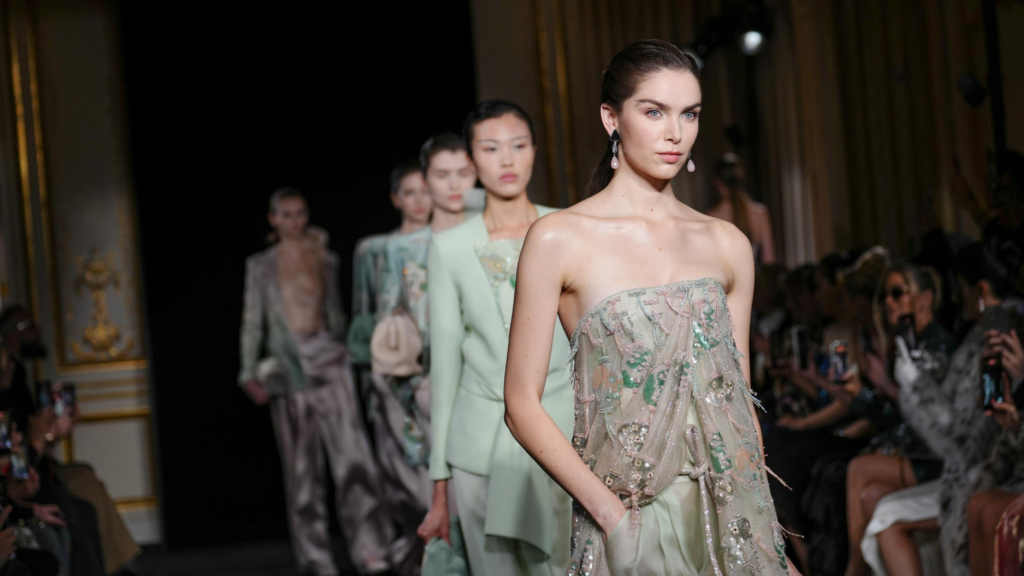
Daniel Kearns reunites with David Beckham to lead BOSS BY BECKHAM design
The enduring appeal of David Beckham is evident in his highly successful tie-up with Hugo Boss. In 2024, the football star turned brand builder signed a multi-year deal to create BOSS BY BECKHAM, covering capsule and seasonal collections spanning formal and casual menswear. He’d been a long-standing ambassador of BOSS before that deal was signed.


It has just been revealed that Irish designer Daniel Kearns has been appointed to head up design for the Beckham sub-brand and will be leading a dedicated London design team for it. This seems to suggest it’s selling well, though BOSS's latest numbers for the group as a whole show sales down 9% in its second quarter, however progress is being made on gross margins.
Kearns and Beckham know each other well, having collaborated on British heritage brand Kent & Curwen. I’m interested to see how the London team and Kearns’ input shape BOSS by Beckham. They make a promising team.


Of course, all of this is happening against a backdrop of Frasers still piling pressure on BOSS with its takeover bid. The €38-per-share bid it has tabled has cleared the German regulatory process, but the BOSS board’s position remains steadfast. They want shareholders to reject the bid. However, Frasers continues to buy shares and now has a stake with around 38%. How long can they be held off?
Lauretta Roberts, Co-founder, CEO and Editor-in-Chief.


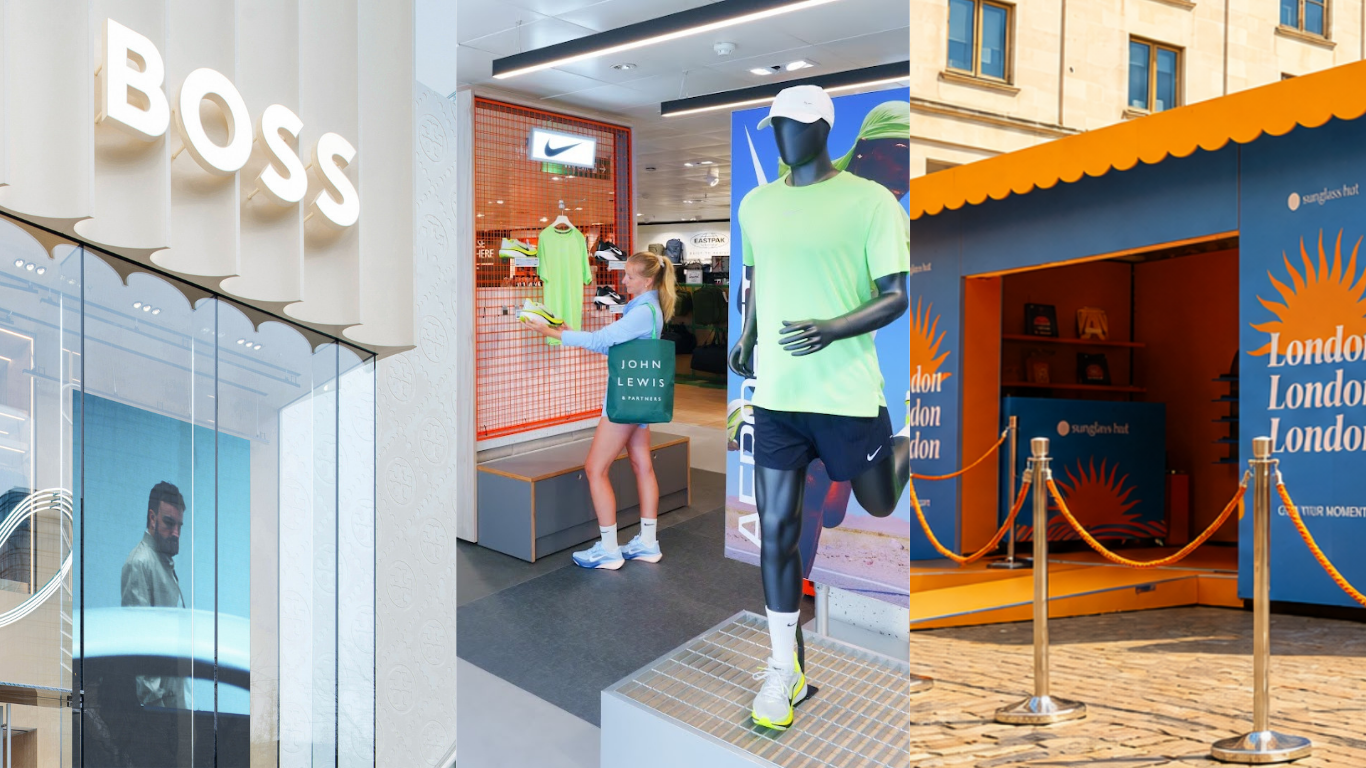
John Lewis eyes sport and fitness growth with multimillion-pound investment
The irony of choosing this as my top read, given I’m someone who only occasionally dips into yoga, isn’t lost on me. I know I should probably be doing more - and perhaps even joining the growing wave of consumers that John Lewis is hoping to attract with its latest investment.
This week, the department store announced plans to capitalise on the booming fitness and wellbeing market by relaunching its sports and wellbeing offering. John Lewis boss Peter Ruis described the move as an “important step” in the British retailer’s wider store investment strategy.
The business says its revamped sports and wellbeing departments will make it the first UK retailer to bring sportswear, footwear, wearable technology, recovery products, AI-powered fitness solutions and expert services together under one roof. The move is designed to strengthen John Lewis’ position in the increasingly competitive fitness market, helping it challenge established players such as Sports Direct and specialist technology brands.
The multimillion-pound investment has already transformed the sports department at its London Oxford Street store, with further redevelopments planned for Liverpool and Cheadle, alongside a new department launching in its Glasgow store.
Sophie Smith, News Editor & Senior Writer.
Backlash’s Katie Peake on why experiential retail matters to fashion now more than ever
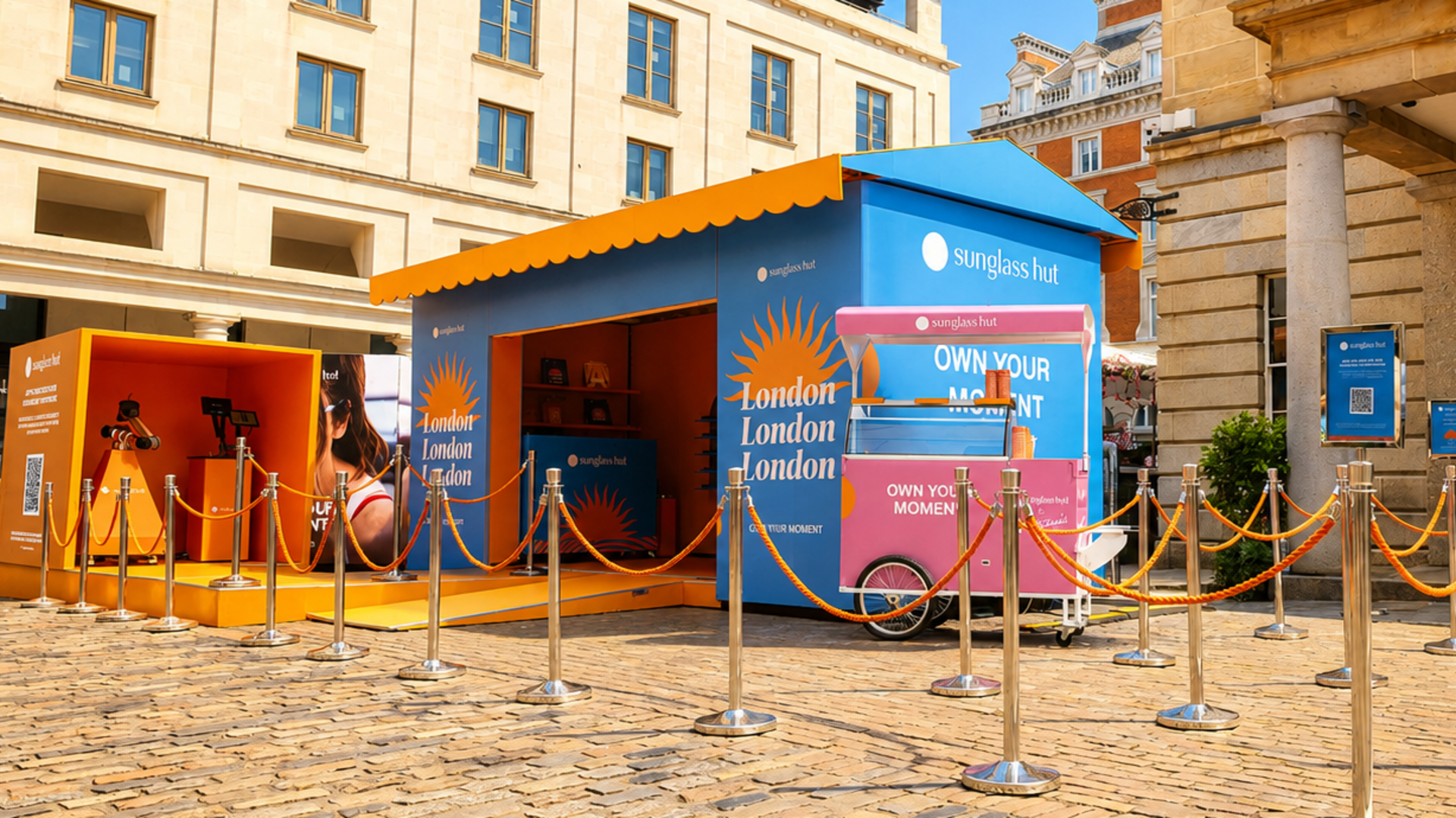
I had the best time interviewing Katie Peake, co-founder of brand experience agency Backlash. We spoke about how, in an increasingly digital-first world, physical activations remain one of the most engaging ways for fashion brands to emotionally connect with customers.
Having worked in experiential advertising for the last 15 years, she has seen first-hand how the popularity of pop-ups has exploded. As customer expectations keep rising, Peake says the real challenge today is pushing the creative boundaries of what a pop-up can look like and finding the many different ways it can deliver value for the brand.
In this interview with TheIndustry.fashion, she reflects on why physical activations continue to be the most powerful way of capturing consumers’ hearts and minds, how Backlash’s creative-first approach sets the agency apart from competitors, and how experiential retail can solve real business problems while also sparking entirely new ways of connecting with customers.
Camilla Rydzek, Senior News & Features Writer.
Heatwave hampers high street footfall in July as consumers ‘stay home’
It seems retailers really can’t win when it comes to the great British weather. For so many years, late starts to warm spring/summer weather meant the big boys on the high street jumped early into Sale to try to offload excess stock.
Inevitably, the smaller independents, despite hanging on for as long as they could, had to follow suit. This was especially the case with the increase in online shopping and diminishing exclusivity for the most sought-after brands (even if they’d helped to build them in the first place).
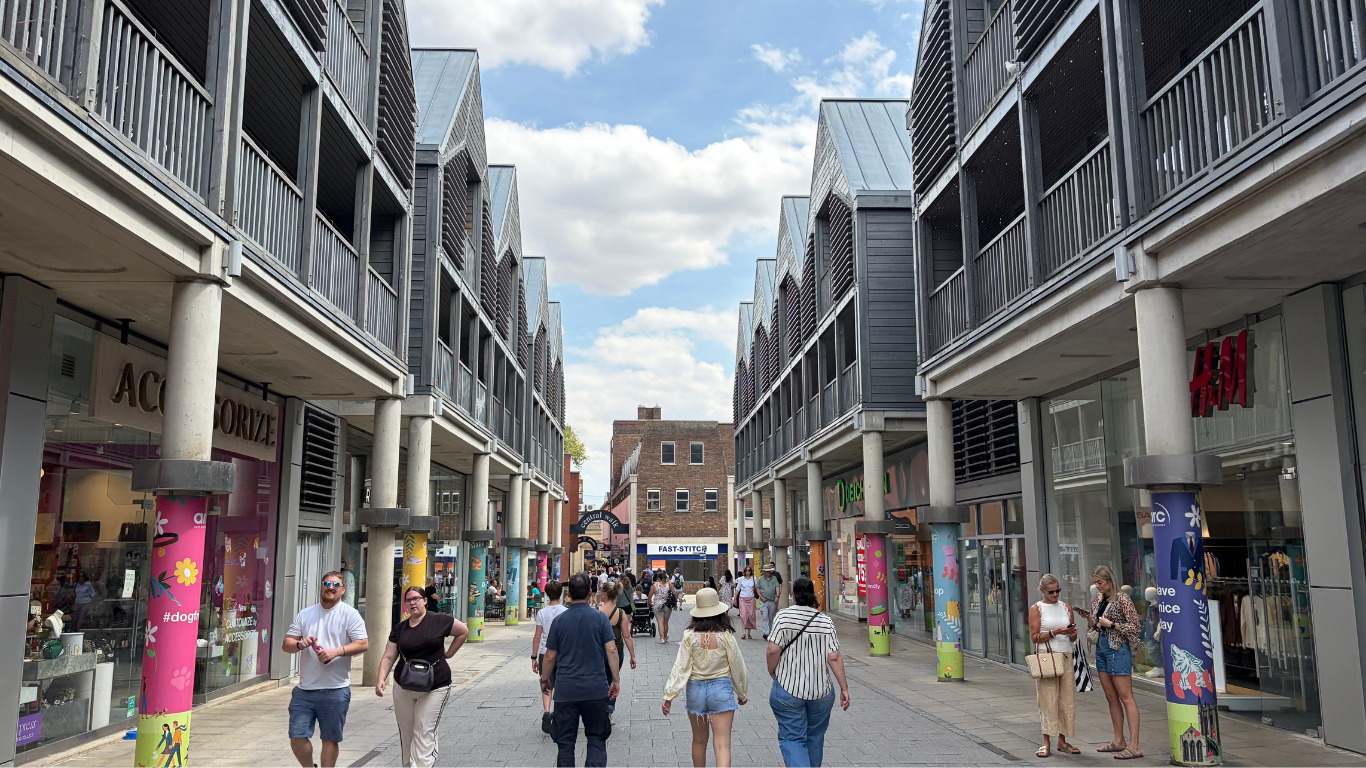
But this week’s latest data from the BRC-Sensormatic Footfall Monitor, looking at UK footfall from 5 July to 1 August - when the Sales were certainly in full swing - showed footfall on the high street down 3.8% year-on-year, although that was actually up from a meagre -6.2% in June when the very warm weather first hit.
You’d have hoped that early, properly warm weather would get people shopping to refresh their wardrobes, knowing it could be a long, hot summer ahead. However, as Helen Dickinson, Chief Executive of the British Retail Consortium (BRC), said: “The heatwave continued to bear down on retail footfall in July, with high streets worst affected. London was hit particularly hard as soaring temperatures made tube and train travel less attractive, with some commuters and shoppers opting to stay home.”
That’s not music to the ears of any bricks-and-mortar retailer. And that’s despite shoppers being much savvier too. After all, why buy something in June which could have 30% off or more in July? Unless you’re going on an early summer holiday, that is.
I remember speaking to a couple of retailers several years ago who said the spring/summer season is just one “to get through” as it’s just “too short” in terms of full-price sales. Plus, lighter-weight goods and less pricey T-shirts and shorts, as opposed to autumn/winter investment outerwear pieces that command much bigger ticket prices, don’t really make the real money.
We’re not far into August, the weather is still glorious (and could be well into September when autumn/winter stock will be on the rails and shelves), and I’m picking up the odd piece for between 30%-50% off that I was interested in back in May and early June at full price, but couldn’t afford.
Some of the more desirable items do sell out in certain sizes, of course, but there’s still a chance you might find said piece online somewhere – even if it’s a return that’s recently made a size available again. I guess what I’m saying is that retail is still very much a tough old game, and the weather – be it too mild in autumn/winter or, these days, too hot in summer – is still the most talked-about thing (apart from business rates!) when it comes to what impacts trade the most.
Tom Bottomley, Contributing Editor.